
-small-220x320w.jpg)








-42 %
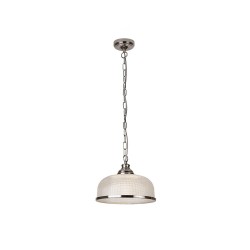
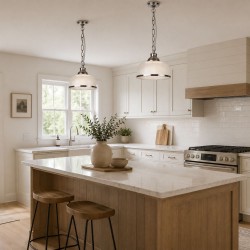
Brand: Searchlight
Model: Bistro II - 1682SS
The Searchlight Bistro II 1682SS is a single light ceiling pendant combining a satin silver finish with a clear, ribbed Holophane-style glass shade. Its rounded glass profile, decorative chain suspension and metallic trim give it a classic appearance that works particularly well above dining tables,..
€71.34 €123.00
Ex Tax:€58.00
-40 %
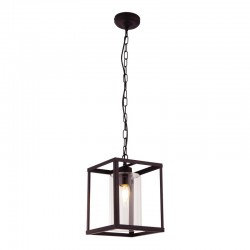
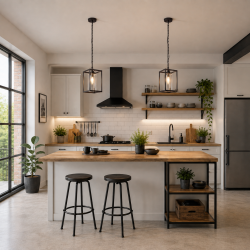
Brand: Prism
Model: Cage - 33409
The Prism Cage 33409 is a single-light lantern pendant combining a black finish with a clear glass tube and a simple geometric frame. Suspended from a circular ceiling rose, its open, contemporary profile makes the lamp itself visible through the clear glass while keeping the overall design clean an..
€54.60 €91.00
Ex Tax:€44.39
-25 %
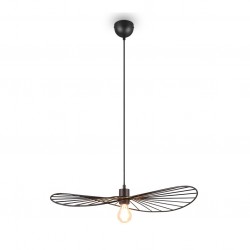
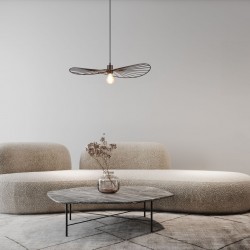
Brand: Trio Lighting
Model: Chapeau - R31451032
Curved finesse and a cool statement with the CHAPEAU pendant light! With its decorative metal housing, the light perfectly complements any living or dining room and brings a special lightness to your home with its delicate interplay of light and shadow. The metal housing of the luminaire has a matt ..
€53.99 €71.99
Ex Tax:€43.90
-36 %
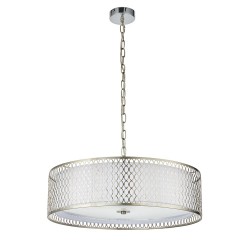
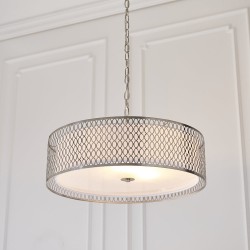
Brand: Endon
Model: Cordero - 81969
This is a classic circular light with a trendy geometric fretwork metal outer and an inner fabric shade for lovely light diffusion. Height adjustable rope chain...
€191.12 €298.63
Ex Tax:€155.38
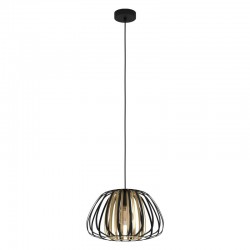
-38 %
Brand: Eglo
Model: Encinitos - 99666
This single light pendant features a cage design metal shade in black and gold finish surrounding a bulb holder. The bold contrasting two-tone effect of black and gold creates a striking visual display for modern contemporary decors. This fixture will surely be a great addition to any home. This pen..
€79.00 €127.59
Ex Tax:€64.23
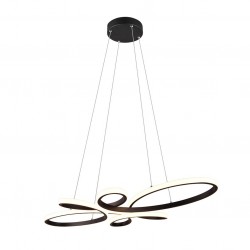
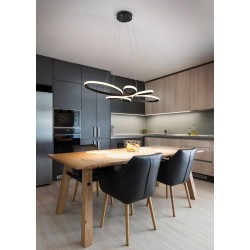
-25 %
Brand: Trio Lighting
Model: Fly - 345619132
Illuminating the dining room in an atmospheric yet sufficiently bright way requires a special and modern lighting concept. The curved FLY pendant light, which forms the centrepiece of any dining area, creates a perfect balance between functionality and design. With the integrated SWITCH dimmer, you ..
€119.99 €159.99
Ex Tax:€97.55
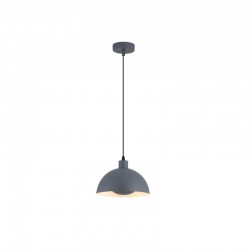
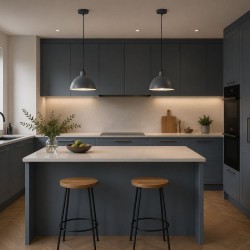
-69 %
Brand: Searchlight
Model: Jupiter - 26225G
The Searchlight Jupiter 26225G is a compact single light pendant designed around a 25 cm metal shade in a matt grey finish with a contrasting grey and cream inner. Its simple contemporary shape directs light downwards, making it particularly useful above a dining table, breakfast bar or other area w..
€25.00 €79.58
Ex Tax:€20.33
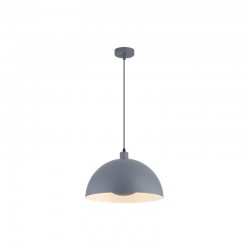
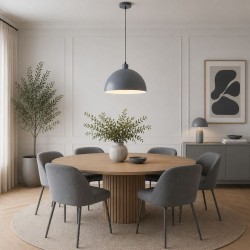
-68 %
Brand: Searchlight
Model: Jupiter - 41260G
The Searchlight Jupiter 41260G is a single-light pendant with a broad 40 cm metal shade in a matt grey finish and a contrasting grey and cream interior. Its wide, simple profile works particularly well above dining tables, kitchen islands and other areas where a defined pool of downward light is use..
€42.00 €129.70
Ex Tax:€34.15
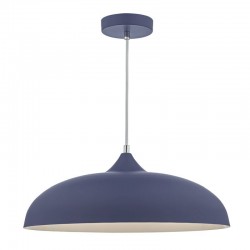
-15 %
Brand: Där
Model: Kaelan - KAE0123
KAELAN is a clean-lined pendant with a graceful shallow curve and simple cable suspension. In matte blue with a white inner and suspended from a clear cable, this modern style pendant casts a great light...
€70.72 €83.21
Ex Tax:€57.50
-47 %
Brand: Searchlight
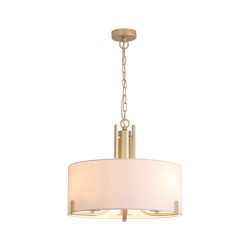
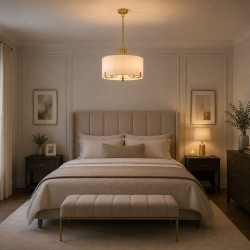
Model: Knightsbridge 3 - 4788-3SB-CR
The Searchlight Knightsbridge 3 4788-3SB-CR is a three-light pendant combining a warm satin brass finish with a cream fabric and organza drum shade. Its balanced proportions and softly diffused appearance suit dining rooms, living rooms, bedrooms and other dry interior spaces where a decorative cent..
€169.00 €319.00
Ex Tax:€137.40
-20 %
Brand: Ambience
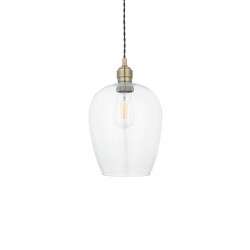
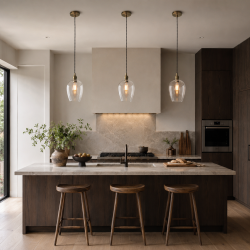
Model: Marinella - 102679
The Ambience Marinella 102679 is a single-light ceiling pendant with a clear hand-blown glass shade and an antique brass finish. Its compact 21 cm diameter makes it suitable for use above a kitchen island, breakfast bar or dining table, either individually or arranged in a row. Clear glass leaves th..
€95.88 €119.85
Ex Tax:€77.95
-41 %
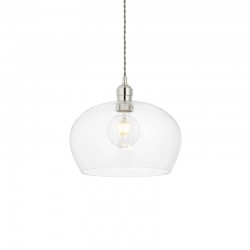
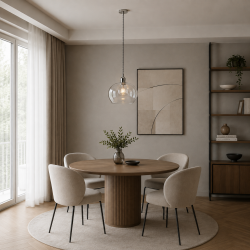
Brand: Ambience
Model: Marinella - 102677
The Ambience Marinella 102677 is a single pendant light combining a clear hand-blown glass shade with a bright nickel finish. Its simple rounded form works well in contemporary and classic interiors, while the transparent glass leaves the bulb visible and allows light to spread freely around the fit..
€89.00 €149.81
Ex Tax:€72.36
-24 %
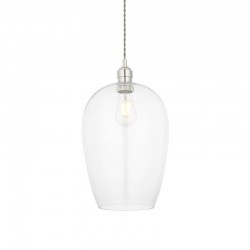
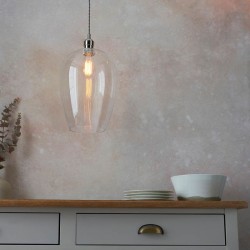
Brand: Ambience
Model: Marinella - 102678
Add warmth to your home with this attractive clear glass pendant topped with a bright nickel plate. The unusual body allows for a warm ambient glow to brighten your kitchen, dining room or living room. This item is height adjustable. Matching products are available.
Handmade fitting - hand blown gl..
€122.96 €161.79
Ex Tax:€99.97
-35 %
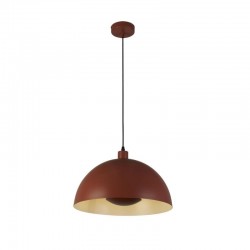
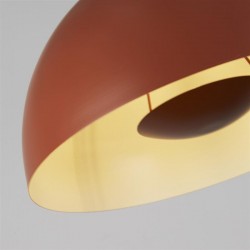
Brand: Searchlight
Model: Mars - 35410OR
A small bold pendant in a stunning burnt orange metal with a cream inner will make a modern centrepiece in any room. Diffusing light downwards to give directional lighting wherever it is needed...
€40.29 €61.99
Ex Tax:€32.76
-20 %
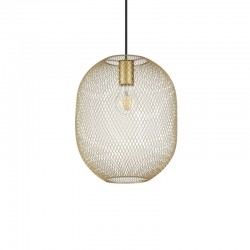
Brand: Ideal Lux
Model: Net - 317267
This single pendant features a circular ceiling plate with cable, all in a gold finish, holding a gold metal mesh shade. This stunning design will be a striking display for modern or contemporary decor within your home. Compatible with LED lamps and dimmable. This pendant is fully height adjustable ..
€58.85 €73.80
Ex Tax:€47.84
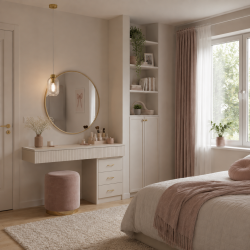
-35 %
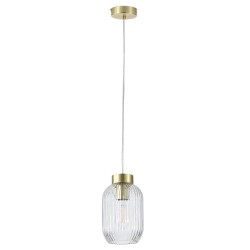
Brand: Searchlight
Model: Nikita - NIK-SP1-SB + 02NIK-CL
The Searchlight Nikita NIK-SP1-SB + 02NIK-CL is a single pendant light combining a satin brass finish with a compact clear ribbed glass shade. Measuring 14 cm in diameter, the pendant works well where a smaller decorative fitting is required, including above a kitchen island, dining table, breakfast..
€58.04 €89.30
Ex Tax:€47.19
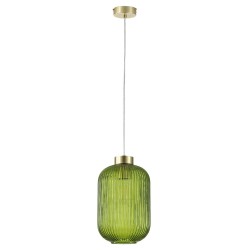
-48 %
Brand: Searchlight
Model: Nikita - NIK-SP1-SB + 01NIK-GR
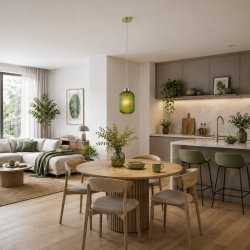
The Searchlight Nikita NIK-SP1-SB + 02NIK-GR is a single pendant light combining a satin brass finish with a compact green ribbed glass shade. Its 14 cm diameter makes it a useful option where a decorative pendant is wanted without a large shade, including above kitchen islands, dining tables, bedsi..
€60.00 €116.45
Ex Tax:€48.78
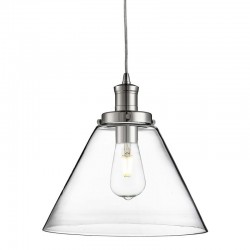
-68 %
Brand: Searchlight
Model: Pyramid - 3228CC
The Searchlight Pyramid 3228CC is a single light ceiling pendant combining a polished chrome finish with a clear, hand-blown glass shade. Its open, cone-shaped shade leaves the E27 bulb visible and suits kitchens, dining areas and other contemporary interiors where an exposed light source complement..
€48.00 €149.04
Ex Tax:€39.02
-68 %
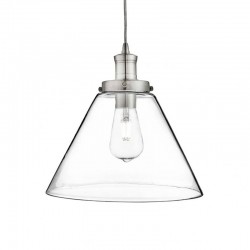
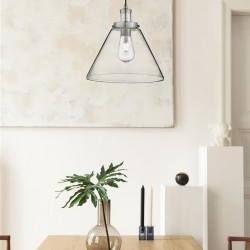
Brand: Searchlight
Model: Pyramid - 3228SS
The Searchlight Pyramid 3228SS is a single pendant ceiling light combining a satin silver finish with a clear hand-blown glass shade. Its open, transparent design keeps the E27 bulb clearly visible, making the lamp itself part of the overall appearance. With a 29 cm diameter and an adjustable suspen..
€48.00 €149.04
Ex Tax:€39.02
-40 %
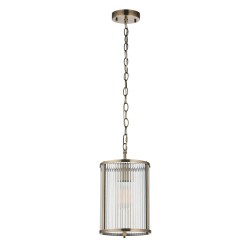
Brand: Endon
Model: Ridgeton - 118595
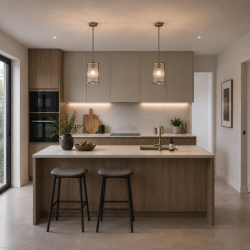
The Endon Ridgeton 118595 is a single light ceiling pendant combining a warm antique brass plated finish with a cylindrical clear ribbed glass shade. At 20 cm in diameter, its slim proportions work particularly well where a decorative pendant is wanted without taking up excessive visual space. The c..
€82.00 €135.58
Ex Tax:€66.67