
-small-220x320w.jpg)












-30 %
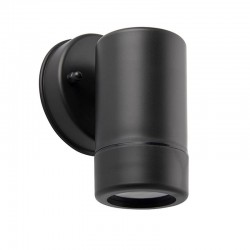
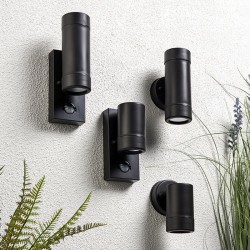
Brand: Saxby
Model: Icarus - 81008
The Icarus exterior LED wall light range is IP44 rated, double insulated and both vandal and corrosion resistant...
€14.48 €20.68
Ex Tax:€11.77
-30 %
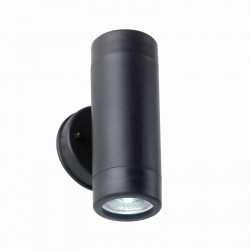
Brand: Saxby
Model: Icarus - 81009
The Icarus exterior LED wall light range is IP44 rated, double insulated and both vandal and corrosion resistant. Constructed from black polycarbonate and clear polypropylene. Suitable for location in or near a marine environment.
..
€15.85 €22.65
Ex Tax:€12.89
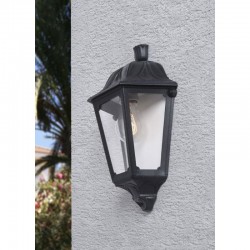
-26 %
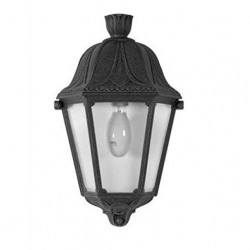
Brand: Fumagalli
Model: Iesse - FMIESSEBL
This half lantern wall lamp in classic style, made in shockproof resin material, UV rays stabilized, rust and corrosion-free. Insulation class II, protection rating IP55...
€21.00 €28.50
Ex Tax:€17.07
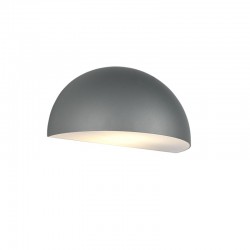
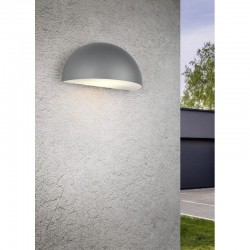
-25 %
Brand: Trio Lighting
Model: Maas - 262460142
A sleek anthracite exterior wall light crafted from die‑cast aluminium. The elegant semi‑spherical Maas wall lamp uses one E27 bulb (max 10 W, not supplied) and offers IP44 protection. Compact at 27 cm wide x 14 cm high, it blends modern form with practical, downward illumination for facades, porche..
€44.99 €59.99
Ex Tax:€36.58
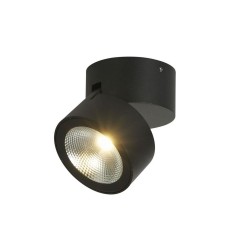
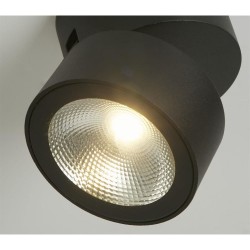
-35 %
Brand: Searchlight
Model: Manhattan - 39330BK
Whether you’re creating dramatic landscape effects, improving security, or extending your outdoor living hours, Manhattan delivers the ideal balance of style, performance, and reliability. Crafted from premium aluminium, it offers years of dependable outdoor use in any weather. With an IP54 rating, ..
€41.25 €63.46
Ex Tax:€33.54
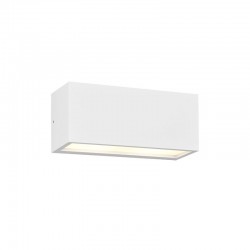
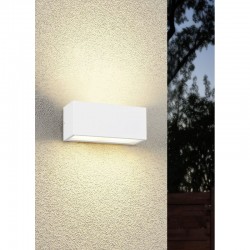
-25 %
Brand: Trio Lighting
Model: Mayenne - 218560231
The MAYENNE wall light, which shines upwards and downwards, not only acts as a practical source of brightness, but also adds a decorative touch to your outdoor area with its modelled light fall, creating atmospheric patterns on facades and walls. Thanks to its IP44 protection rating, the luminaire c..
€41.24 €54.99
Ex Tax:€33.53
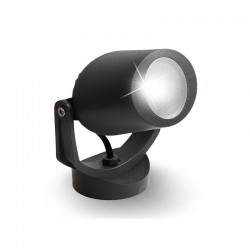
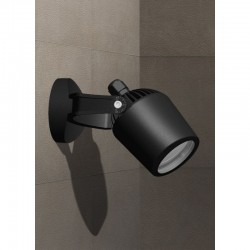
-30 %
Brand: Fumagalli
Model: Mini Tommy - FM1M1000U1LA
LED single spotlight with wall bracket, made in the shockproof resin material, UV rays stabilized, rust and corrosion-free. Suitable for indoor and outdoor use, for use on walls or ceilings. Plain, flat cover with no visible screws. Supplied as standard with TÜV approved, long-life and CCT GU10 LED ..
€46.20 €65.85
Ex Tax:€37.56
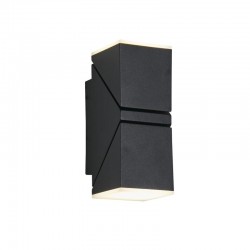
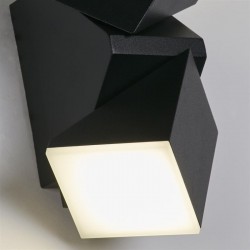
-35 %
Brand: Searchlight
Model: Montana - 36170BK
Sleek and modern, this black metal LED light casts a subtle glow, perfect for illuminating your porch or patio. The rotatable design allows for directional lighting, while the IP44 weather rating ensures it's fully splashproof and built to withstand the elements...
€47.97 €73.80
Ex Tax:€39.00
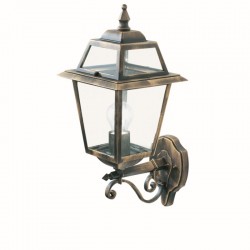
-35 %
Brand: Searchlight
Model: New Orleans - 1521
This black and gold outdoor wall uplighter with clear glass brings a look of The Big Easy to your home. The traditionally designed die cast aluminium wall fitting has an ornate lamp positioned above the wall attachment, with clear glass and an upward facing lamp to light your outdoor walls. And it i..
€65.23 €100.36
Ex Tax:€53.04
-36 %
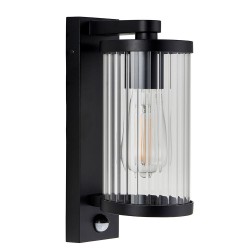
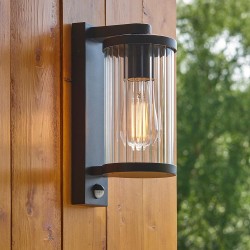
Brand: Endon
Model: Newcombe - 120537
Contemporary and practical, this black painted exterior wall light features a sleek cylindrical design with clear ribbed glass panels that enhance light diffusion and visual texture. An integrated PIR sensor provides motion-activated illumination for added security and convenience, making it ideal f..
€66.34 €103.65
Ex Tax:€53.93
-36 %
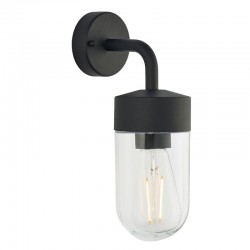
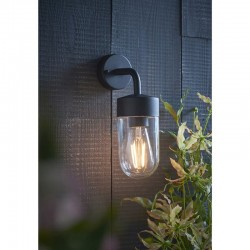
Brand: Endon
Model: North - 79792
A simple nautical inspired exterior wall light in a matt black finish. Pair with our filament LED lamps for an authentic timeless look...
€44.10 €68.91
Ex Tax:€35.86
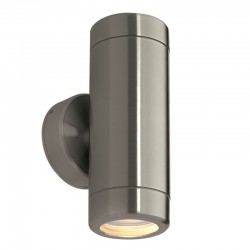
-30 %
Brand: Saxby
Model: Odyssey - ST5008S
An outdoor twin wall light from the Odyssey range with brushed stainless steel (304) finish with clear glass, offering a stunning designer look at an affordable price. Matching items and other colour options available...
€70.16 €100.23
Ex Tax:€57.04
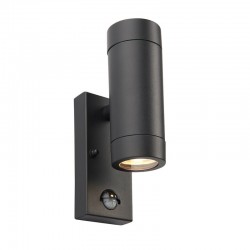
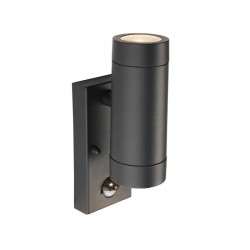
-30 %
Brand: Saxby
Model: Odyssey - 97822
This outdoor twin wall light from the Odyssey range with a matt black finish offers a stunning designer look at an affordable price. The built-in PIR has a 110° detection angle, 8m maximum range with a 5 sec - 5 min timer function. Matching items and other colour options are available...
€65.54 €93.63
Ex Tax:€53.29
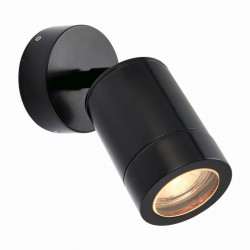
-30 %
Brand: Saxby
Model: Odyssey - 78667
An outdoor adjustable spotlight with satin black (304) finish with clear glass, offering a stunning designer look at an affordable price. Fully adjustable – 350 degree rotation and 90 degree tilt. Matching items and other colour options available...
€44.57 €63.67
Ex Tax:€36.23
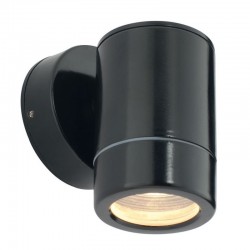
-30 %
Brand: Saxby
Model: Odyssey - ST5009BK
An outdoor wall light from the Odyssey range with a satin black finish with clear glass, offering a stunning designer look at an affordable price. Matching items and other colour options available...
€31.46 €44.94
Ex Tax:€25.58
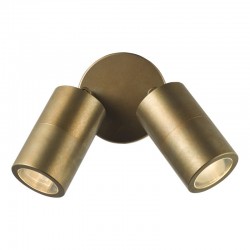
-20 %
Brand: Där
Model: Ortega - ORT0975
The Ortega Outdoor Double Wall Light pairs timeless design with robust performance, crafted from solid brass in a rich aged brass rubbed finish. With an IP65 rating, it is fully moisture-resistant, making it a versatile choice for both indoor and outdoor spaces. Adjustable heads allow precise light ..
€202.58 €253.23
Ex Tax:€164.70
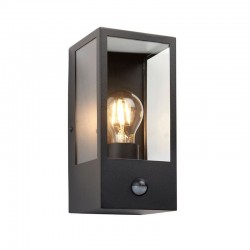
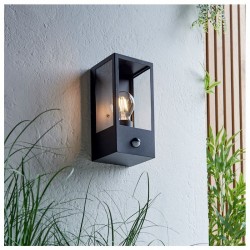
-36 %
Brand: Endon
Model: Oxford - 94995
Modern design Outdoor Lantern Wall Lamp from Endon is finished in matt black painted corrosion resistant stainless steel and comes with clear glass panels. The built-in PIR sensor has a detection angle of 110 degrees, with a timer function of between 5 seconds to 5 minutes and a maximum detection di..
€71.04 €111.00
Ex Tax:€57.76
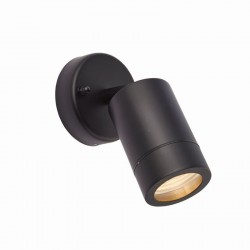
-30 %
Brand: Saxby
Model: Palin - 75436
An outdoor adjustable & dimmable spotlight from the Palin range with a black (304) finish, offering a stunning designer look at an affordable price. 350 degree rotation and 90 degree tilt. It’s fully adjustable. Other colour options are available. ..
€24.46 €34.95
Ex Tax:€19.89
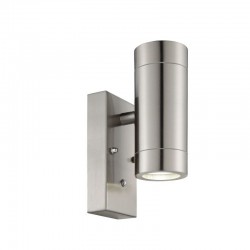
-30 %
Brand: Saxby
Model: Palin - 90130
The Palin range gives a stunning designer look at an affordable price. The built-in photocell has the function of 10±5 lux ON ,30±10 lux OFF. This fitting is IP44 rated & comes in brushed stainless steel (304) finish with clear glass...
€46.63 €66.62
Ex Tax:€37.91
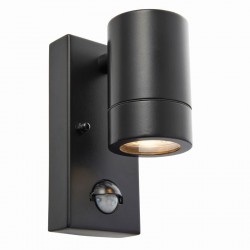
-30 %
Brand: Saxby
Model: Palin - 75435
The Palin is outdoor, PIR wall light for directing light downwards. It comes with a built in PIR motion sensor making it suitable for lighting doorways, paths and for security. It is IP44 rated & comes in black (304) finish with clear glass.10 lux - 2000 lux. 110° detection angle, 8m maximum range w..
€41.20 €58.85
Ex Tax:€33.49