
-small-220x320w.jpg)







-25 %
Pre-Order
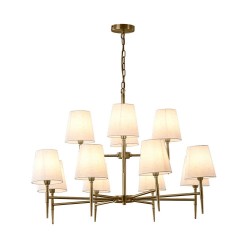
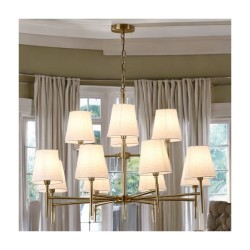
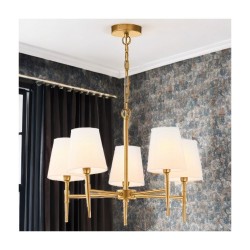
Brand: Cork Lighting
Model: Shandon - LF2840/8+4AB
This sophisticated 12-light chandelier features a timeless two-tier design, finished in elegant antique brass. Its warm metallic tone pairs beautifully with the soft cream fabric shades, which gently diffuse light to create a welcoming, ambient glow. The clean lines and tapered arms give it a refine..
€551.66 €735.54
Ex Tax:€448.50
-25 %
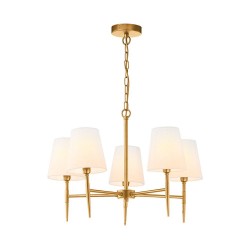
Brand: Cork Lighting
Model: Shandon - LF2840/5MB
SHANDON Matt Brass 5-Arm Chandelier with Fabric Shades. Elevate your interior with timeless elegance using this beautifully crafted antique brass chandelier. Designed to complement classic and traditional spaces, this fixture features. Rich Matt brass for a vintage, sophisticated look. A graceful 5-..
€275.83 €367.77
Ex Tax:€224.25
-20 %
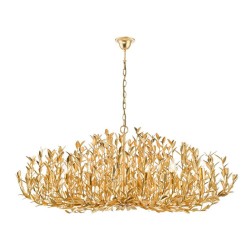
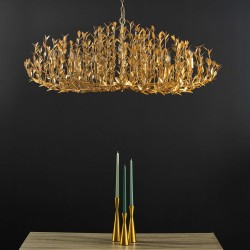
Brand: Där
Model: Silvius - SIL1235
Introducing the Silvius 12 Light Oval Chandelier in Antique Gold Leaf, a true masterpiece that captures the organic elegance of an olive tree. Meticulously handcrafted, this exquisite chandelier boasts hundreds of metal leaves and stems meticulously formed to mimic nature's beauty. Each branch is th..
€1,910.11 €2,387.64
Ex Tax:€1,552.93
-25 %
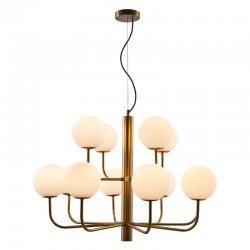
Brand: Cork Lighting
Model: Taishan - LF2330/12BR
With an astonishing 12 white glass lights, the Taishan centre light fitting is a gorgeous statement piece. A confection of opal glass globes on curvaceous arms with a brushed brass finish, this large two-tier chandelier is reminiscent of the French café style. It is adjustable at the point of instal..
€445.57 €594.09
Ex Tax:€362.25
-15 %
Brand: Där
Model: Takara - TAK0654-25
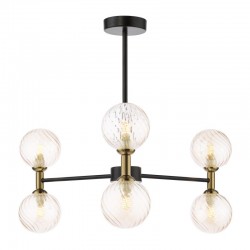
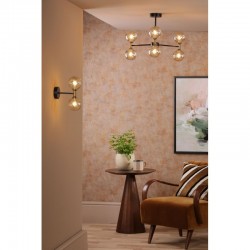
Part of our Mix & Match range of lighting, the Takara 6 Light Semi-Flush combines timeless style with modern versatility, making it an adaptable choice across a variety of interiors. Paired here with our Twisted Amber Glass...
€144.51 €170.02
Ex Tax:€117.49
-24 %
Brand: Ambience
Model: Turno - 106754
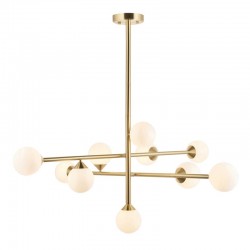
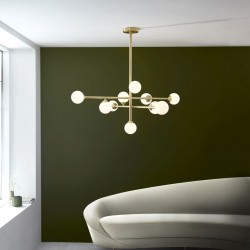
Modern statement 10 light pendant with gloss white glass shades set against satin brass. Ideal for creating a stylish centrepiece in a dining or living room. Matching items also available...
€341.57 €449.44
Ex Tax:€277.70
-20 %
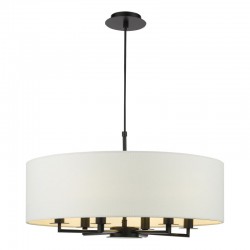
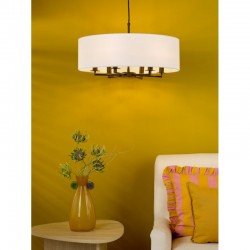
Brand: Där
Model: Tyler - TYL6422
The Tyler 6 light pendant in satin black combines bold form with refined versatility. Its sculptural oval arms and clean, minimal lines create a contemporary yet timeless silhouette. Supplied with two sets of candle drips, it can be styled shade-free for dramatic impact or paired with shades for a s..
€214.16 €267.70
Ex Tax:€174.11
-20 %
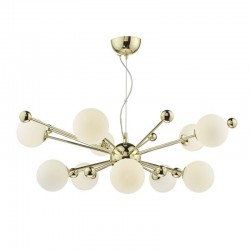
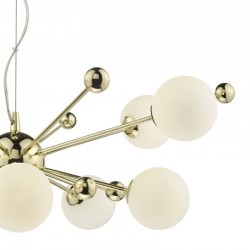
Brand: Där
Model: Ursa - URS2335
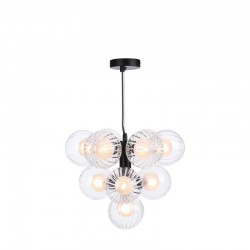
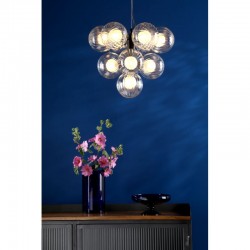
The 10 light centre fitting is a stunning oversized pendant with large opal white glass globes shown mounted on a polished gold frame suspended from a steel cable. Height is adjustable at point of installation...
€335.71 €419.65
Ex Tax:€272.93
-15 %
Brand: Där
Model: Vine - VIN2322-20
Introducing the Vine 10 Light Pendant Satin Black & Duplex Glass – a masterful interplay of modern design and functional brilliance, ideal for enhancing your living room, dining room, or bedroom. Crafted to perfection, this pendant light boasts duplex glass shades that combine a contemporary ribbed ..
€276.74 €325.58
Ex Tax:€224.99
-35 %
Brand: Searchlight
Model: Wagon Wheel - 88210-9BZ
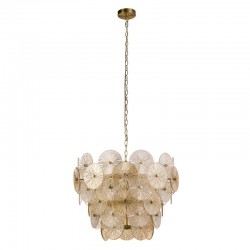
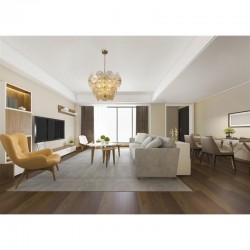
The Wagon Wheel 9Lt Pendant is a statement piece that effortlessly enhances any modern decor. With an aura of elegance and sophistication, this stunning pendant is designed to captivate. At 64cm diameter, this stunning pendant boasts etched glass discs of clear and amber glass and complementary bron..
€629.36 €968.25
Ex Tax:€511.68
_low-250x250w.jpeg "Zaragoza - Brass 5 Light Centre Fitting with White Shade")
-25 %
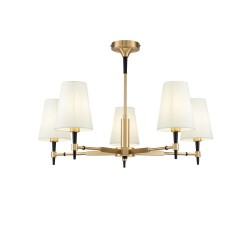
Brand: Maytoni
Model: Zaragoza - H001CL-05BS
This 5 light ceiling fitting has a brass and black details finish and is complemented with 5 white fabric shades. Suitable for use with LED bulbs. With its simple and elegant design, it adds a lovely finish to any room. Add this beautiful design to any type of home. Matching items are available...
€336.00 €448.00
Ex Tax:€273.17
-20 %
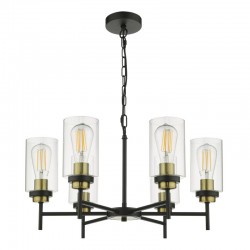
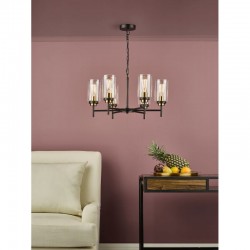
Brand: Där
Model: Abel - ABE0654
The 6 light pendant is a contemporary blend of matt black metal work with satin brass accents. Featuring slender arms and clear glass cylindrical shades, it works great with our selection of Vintage Lamps. This 6 light pendant makes a perfect statement ceiling light for any living or dining room. Su..
€289.40 €361.76
Ex Tax:€235.28
-20 %
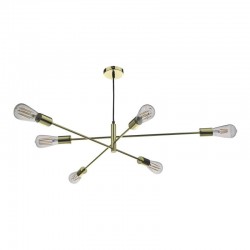
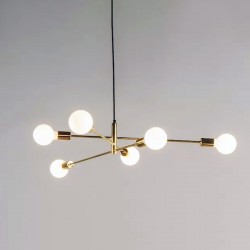
Brand: Där
Model: Alana - ALA0635
The asymmetric 6 light centre fitting in a beautiful polished gold finish. Very versatile as the look can be changed dependent on which decorative lamps you choose to style it with. Available in 3 other colours...
€127.33 €159.18
Ex Tax:€103.52
-35 %
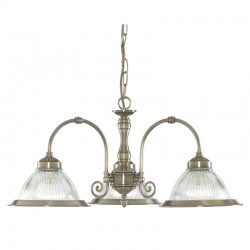
Brand: Searchlight
Model: American Diner - 9343-3
This antique brass 3 light fitting looks beautiful on any ceiling, with simplicity and style inspired by the era of the classic American style. The clear ribbed glass diffuser provides clean lighting effects, which are perfect for your kitchen area, or any other room, and the matching metal trim fin..
€114.17 €175.64
Ex Tax:€92.82
-36 %
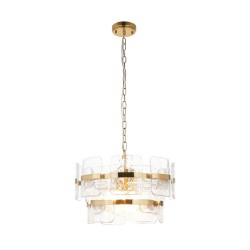
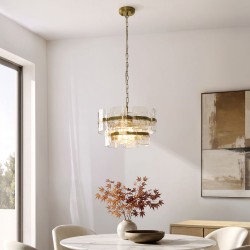
Brand: Endon
Model: Ancara - 122765
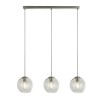
The Endon Ancara 122765 is a three light pendant designed around layers of clear handmade textured glass and a warm brushed aged brass finish. Its rounded, decorative form makes it particularly suited to dining rooms, living spaces, entrance halls and other interiors where the ceiling light will for..
€441.05 €689.14
Ex Tax:€358.58
-36 %
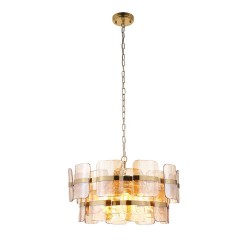
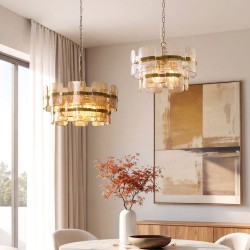
Brand: Endon
Model: Ancara - 122777
The Endon Ancara 122777 is a large six light pendant designed for dining rooms, living spaces, entrance halls and other interiors where a decorative ceiling fitting can become a strong visual feature. Its brushed aged brass finish is paired with champagne handmade textured glass panels, creating a l..
€566.15 €884.61
Ex Tax:€460.28
-36 %
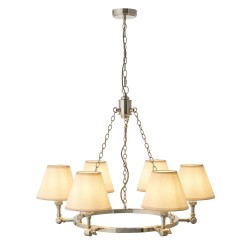
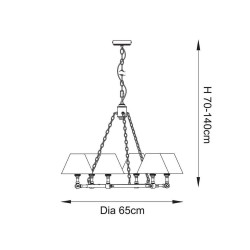
Brand: Endon
Model: Arabella & Ivy - 123581
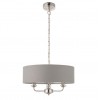
The Endon Arabella & Ivy 6 Light Pendant (123581) is a decorative chandelier-style ceiling light that combines classic design with refined contemporary details. Featuring a bright nickel plated finish and six vintage white fabric shades, it brings a coordinated, elegant appearance to dining room..
€353.39 €552.17
Ex Tax:€287.31
-25 %
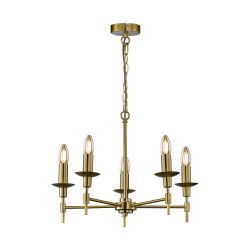
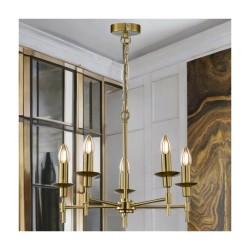
Brand: Cork Lighting
Model: Aradena - LF2415/5MB
This elegant chandelier features a sleek, modern design with a matt brass finish. It has six candle-style light bulbs arranged on extending arms, creating a sophisticated and warm ambience. The fixture is suspended from the ceiling by a matching matt brass chain and mount, making it a perfect statem..
€148.52 €198.03
Ex Tax:€120.75
-35 %
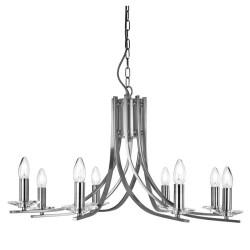
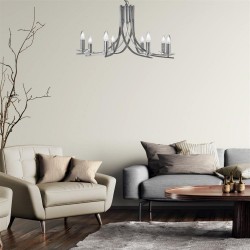
Brand: Searchlight
Model: Ascona - 4168-8SS
Bring sophistication to any home with this eye-catching Ascona 8-light pendant. The attractive vintage-inspired look features curved arms, each holding a clear glass sconce. The satin silver finish is timeless and will add a finishing touch to any home setting. Height adjustable, this pendant can be..
€368.41 €566.78
Ex Tax:€299.52
-20 %
Brand: Ideal Lux
Model: Atlas - 365121
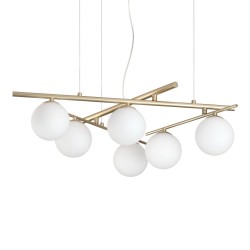
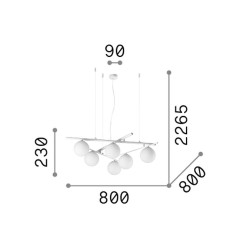
The Ideal Lux Atlas SP6 Oro 365121 is a six-light pendant designed to provide broad, decorative lighting across dining areas, living rooms and larger open-plan spaces. Its branching gold-finished frame supports six white glass globes, creating a balanced arrangement with light distributed from sever..
€338.38 €424.35
Ex Tax:€275.11